
Top Food Manufacturing Trends Shaping the Industry: Latest Food Production Developments

The food manufacturing industry is evolving faster than ever! With new technologies, consumer preferences, and sustainability goals driving change, it’s an exciting time to be part of this sector. Whether you’re involved in food or plastic manufacturing, understanding these shifts can help you stay ahead and grow your business. Let’s dive into some of the latest food production developments that are shaping the future of food manufacturing.
Embracing Automation and Smart Technologies in Food Production
Automation is no longer just a buzzword; it’s a game-changer in food manufacturing. From robotic arms handling packaging to AI-powered quality control systems, technology is streamlining operations and boosting efficiency.
Robotics: Robots can perform repetitive tasks like sorting, packing, and palletizing with precision and speed. This reduces human error and increases output.
AI and Machine Learning: These technologies analyze production data to predict maintenance needs, optimize processes, and ensure consistent product quality.
IoT (Internet of Things): Sensors connected to the internet monitor equipment and environmental conditions in real-time, helping prevent downtime and maintain safety standards.
For example, a food processing plant might use IoT sensors to track temperature and humidity, ensuring products stay fresh and safe throughout production. This not only improves quality but also reduces waste.

By adopting these smart technologies, manufacturers can reduce costs, improve safety, and meet increasing demand without compromising quality.
Exploring the Latest Food Production Developments in Sustainability
Sustainability is no longer optional; it’s a priority. Consumers want products that are not only delicious but also environmentally responsible. This shift is pushing manufacturers to rethink their processes and materials.
Eco-friendly Packaging: Biodegradable and recyclable packaging materials are replacing traditional plastics. This helps reduce landfill waste and pollution.
Energy Efficiency: Upgrading to energy-efficient machinery and optimizing production schedules can significantly cut energy consumption.
Waste Reduction: Implementing zero-waste policies and repurposing by-products into new products or energy sources is becoming common practice.
For instance, some manufacturers are now using plant-based films for packaging or investing in solar panels to power their facilities. These efforts not only appeal to eco-conscious consumers but also reduce operational costs in the long run.
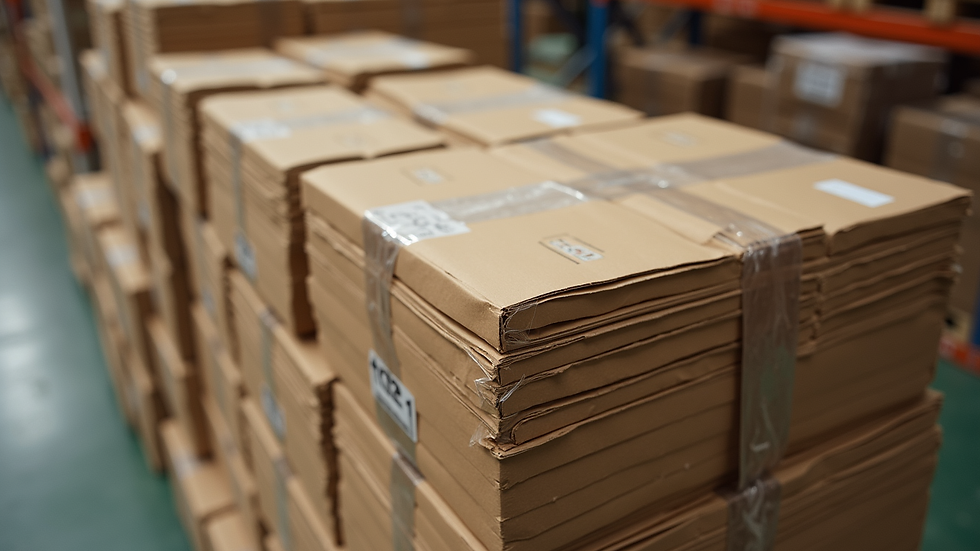
If you’re looking to enhance your sustainability efforts, start by conducting an energy audit and exploring alternative packaging options. Small changes can make a big impact!
What is an Emerging Trend in the Food Sector?
One exciting emerging trend is the rise of plant-based and alternative proteins. Driven by health, ethical, and environmental concerns, more consumers are seeking meat alternatives and protein sources from plants, insects, or lab-grown methods.
Plant-Based Proteins: Products made from soy, peas, lentils, and other legumes are gaining popularity. They offer a familiar texture and taste while being more sustainable.
Insect Protein: Though still niche, insect-based ingredients are nutrient-rich and require fewer resources to produce.
Cultured Meat: Lab-grown meat is advancing rapidly and promises to revolutionize protein production by eliminating the need for animal farming.
Food manufacturers can tap into this trend by developing new product lines or reformulating existing ones to include alternative proteins. This not only meets consumer demand but also positions your business as innovative and forward-thinking.
Enhancing Food Safety and Traceability with Blockchain
Food safety is paramount, and consumers want transparency about where their food comes from. Blockchain technology is emerging as a powerful tool to enhance traceability and trust in the supply chain.
Immutable Records: Blockchain creates a secure, unchangeable ledger of every step in the food production process.
Faster Recalls: In case of contamination, blockchain allows quick identification and removal of affected products.
Consumer Confidence: Shoppers can scan QR codes to see detailed information about the origin, handling, and quality of their food.
For example, a food manufacturer can use blockchain to track ingredients from farm to factory to store shelves. This level of transparency helps build brand loyalty and meets regulatory requirements.
If you’re considering blockchain, start by collaborating with suppliers and distributors to create a shared data platform. This collective effort maximizes the benefits of traceability.
Leveraging Data Analytics for Smarter Decision-Making
Data is the new gold in food manufacturing. Collecting and analyzing production, sales, and customer data can unlock insights that drive smarter decisions.
Predictive Maintenance: Data helps predict when machines need servicing, reducing unexpected breakdowns.
Demand Forecasting: Analyzing sales trends allows better inventory management and reduces overproduction.
Product Development: Customer feedback and market data guide the creation of new products that meet evolving tastes.
For example, a manufacturer might use data analytics to identify peak demand periods and adjust production schedules accordingly. This improves efficiency and customer satisfaction.
To get started, invest in user-friendly data management tools and train your team to interpret and act on insights. The payoff is a more agile and competitive business.
Food manufacturing is an exciting field full of opportunities to innovate and grow. By staying informed about the latest trends and technologies, you can position your business for success in a rapidly changing market. Whether it’s adopting automation, embracing sustainability, or leveraging data, these developments offer practical ways to improve your operations and meet customer expectations.
Ready to take your food production to the next level? Keep exploring, experimenting, and evolving with the industry’s latest food production developments!
For more insights on food manufacturing trends, stay tuned and keep innovating!


Comments